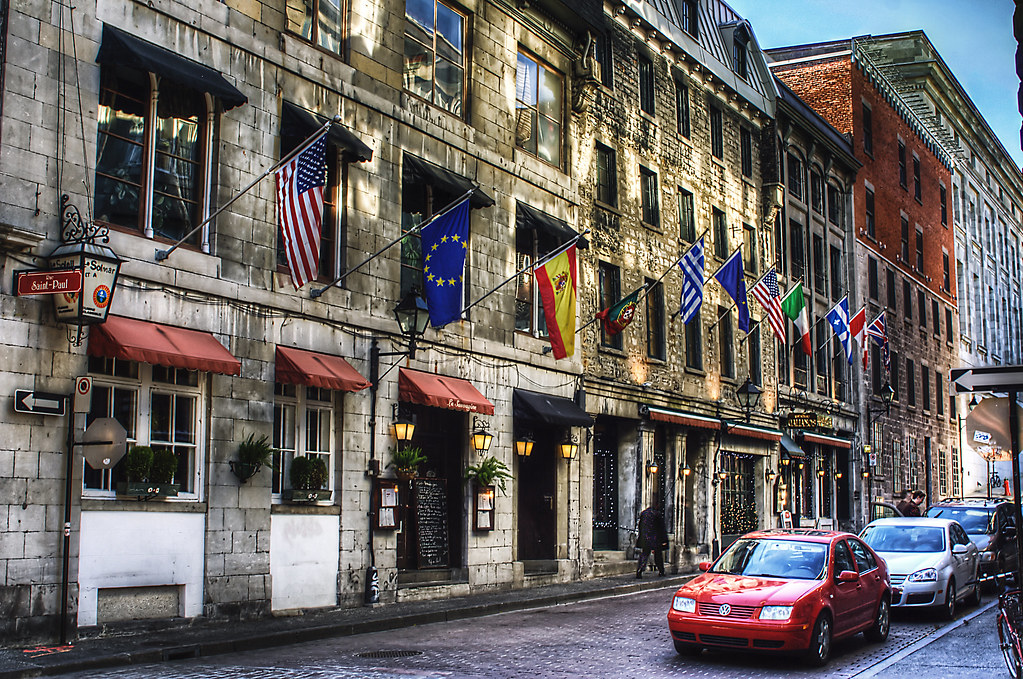

Tap water safety is a common concern for travelers, new residents, and anyone thinking about visiting Montreal. Many people ask, “can you drink Montreal tap water?” The good news is that Montreal’s tap water is widely regarded as safe, clean, and reliable for everyday use. In fact, many residents drink it directly from the tap without any additional treatment. Understanding where the water comes from, how it is treated, and what factors might affect its quality can help you feel confident about drinking it.
Where Montreal’s Tap Water Comes From
Most of the drinking water in Montreal comes from the St. Lawrence River. The city draws large volumes of water from this river and processes it at several treatment plants before distributing it to homes and businesses.
The river is a major freshwater source in Canada, and municipal authorities monitor it carefully to ensure that the water used for public consumption meets health and safety standards.
How the Water Is Treated
The City of Montreal operates multiple water treatment facilities that clean and disinfect the water before it reaches residents. The process typically includes several stages:
- Screening and filtration – Removes debris, sediment, and particles.
- Coagulation and settling – Helps small contaminants clump together so they can be filtered out.
- Disinfection – Usually done using chlorine or other disinfectants to eliminate harmful bacteria and viruses.
- Quality monitoring – Regular testing ensures the water meets Canadian drinking water standards.
These procedures are designed to make the water safe for drinking, cooking, and everyday household use.
Water Quality Standards
Montreal’s tap water must meet strict provincial and federal regulations. Water samples are tested regularly for contaminants such as bacteria, chemicals, and heavy metals.
Because of this rigorous monitoring, Montreal’s water supply generally ranks among the safer municipal water systems in North America. Local authorities conduct thousands of tests each year to ensure compliance with health guidelines.
Possible Issues in Older Buildings
While the municipal water itself is safe, the plumbing in older buildings can sometimes affect water quality. Some older properties may still contain aging pipes that could introduce small amounts of metals like lead into the water.
If you live in or visit an older building, a few simple precautions can help:
- Let the cold water run for about 30–60 seconds before drinking it.
- Use cold water for cooking and drinking, as hot water can dissolve metals more easily.
- Consider using a certified water filter if you want extra peace of mind.
These steps are often recommended in cities with older infrastructure.
Taste and Appearance
Montreal tap water sometimes has a slightly different taste depending on the season. This can occur when natural conditions in the river change or when treatment adjustments are made.
However, these changes typically affect taste rather than safety. Many residents simply chill the water in the refrigerator or use a pitcher filter to improve flavor.
Environmental and Cost Benefits
Drinking tap water instead of bottled water also offers environmental advantages. It reduces plastic waste and transportation emissions associated with bottled water production. Additionally, tap water costs significantly less than bottled alternatives.
For most people in Montreal, using tap water is both economical and environmentally responsible.
Conclusion
Overall, tap water in Montreal is safe and suitable for daily drinking. The city’s water supply is carefully treated, monitored, and regulated to meet strict safety standards. While older building plumbing may occasionally affect water quality, simple precautions can minimize potential risks.
For residents and visitors alike, Montreal tap water remains a convenient, affordable, and reliable source of clean drinking water.