
La Grande Dégustation de Montréal runs from November 5 to 7, 2026, at the Grand Quay of the Port of Montreal. Before booking, choose the correct admission session, understand how tasting coupons work and plan a journey home that does not involve driving after drinking. The event is easier to enjoy when you arrive with a few interests rather than trying to sample everything.
A large tasting can appeal to curious beginners as well as experienced enthusiasts. It is an opportunity to ask questions and compare styles, but the practical details matter: admission, tasting costs and product purchases may be separate parts of the visit.
Check the correct session before buying
The organizer’s official website lists different access periods, including professional and media access, an SAQ Inspire evening and general-public sessions. Do not assume every time slot is available through an ordinary public ticket.
The published general-public schedule lists Friday, November 6, from 2 p.m. to 9 p.m., and Saturday, November 7, from 1 p.m. to 9 p.m. Confirm your selected session and any updated conditions before purchase.
Read the official practical information for admission requirements, available facilities and ticket instructions. Check the organizer’s age and identification conditions rather than relying on a reseller’s short description.
Separate admission from tasting and purchases
Ask what the ticket includes and what requires additional payment. A tasting coupon system can be different from an all-inclusive experience. Establish the cost of the visit before assuming that entry covers every sample.
Set separate limits for admission, tasting and any purchases you might make. It is easy to lose track when several small transactions are spread across a busy evening. A simple note on your phone can keep the budget visible.
The organizer directs visitors to use the SAQ app for purchasing products at the event. Check the current instructions and prepare any needed setup before arrival. Do not wait until a crowded stand to discover that your phone or account needs attention.
Choose a tasting theme
A theme gives a large event some structure. You might compare a grape variety across regions, explore wines you rarely see or ask producers about the differences between two styles. Keep the plan modest enough to follow comfortably.
Write down a few questions in advance. Asking about production choices, food pairings or the intended style can lead to a more useful conversation than simply asking whether a bottle is good.
If you are new to tasting, begin with curiosity rather than pressure to use technical language. Describe what you notice in ordinary words. You do not need to agree with another person’s preferences for the experience to be worthwhile.
Use a practical visit checklist
| Before leaving | What to check |
|---|---|
| Ticket | Correct date, session and admission conditions |
| Budget | Entry, tasting coupons, food and optional purchases |
| Phone | Ticket access, charge and required purchase setup |
| Transport | A suitable return journey without impaired driving |
| Personal needs | Identification, accessibility information and clothing |
| Shortlist | A few regions, styles or exhibitors to explore |
This is an independent planning checklist, not a promise that every item is included in admission. Use the organizer’s current terms to settle the details of your ticket.
Pace the visit around learning
Take your time at each stand and leave room for breaks. A crowded program should not become a challenge to consume the greatest possible amount. You can learn from discussion without taking every sample offered.
Use available water and follow the event’s guidance on responsible tasting. If you feel unwell or uncomfortable, stop and seek appropriate assistance. Do not treat personal tolerance as a reason to ignore transport planning.
Arrange food in a way that fits your schedule and dietary needs. Check what is available rather than assuming the event offers a full meal suitable for everyone. A planned meal before or after may be more convenient.
Take notes you can actually use
Record the producer and product name clearly. A brief note about why you liked or disliked something is often more helpful than a score with no context. Include the food or occasion you imagined pairing it with.
If you take photographs, avoid blocking the stand or capturing other guests unnecessarily. Ask before photographing people closely. Keep the visit comfortable for exhibitors and other attendees.
When comparing products later, verify bottle size, availability and the actual purchase price. A tasting impression alone does not explain whether a product fits your budget or how you plan to serve it.
Plan access to the Old Port
Check the venue’s exact entrance and your route before travelling. The Old Port can involve outdoor walking, and November conditions can make footwear and layers important. Allow time to find the correct entrance without rushing.
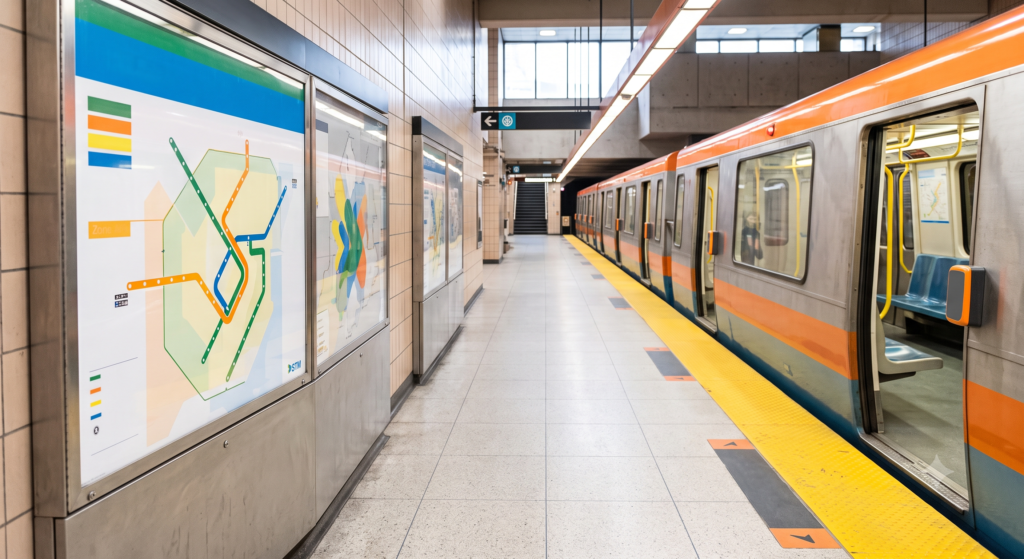
Our STM guide provides transit context, while our neighbourhood guide helps visitors understand different areas. Verify current service and venue instructions directly.
If travelling with friends, agree on a meeting point and return plan. A group can become separated in a busy room, so keep communication straightforward. Avoid relying on a driver who may change their mind about tasting.
For hospitality professionals and local businesses
A tasting event can also be a chance to understand supplier offerings and customer interests. Professionals should check the appropriate registration rather than purchasing an unsuitable session. Prepare specific questions relevant to the business.
Separate informal networking from any purchasing commitment. Confirm terms, availability and ordering arrangements afterward through the appropriate channel. A conversation at a stand does not necessarily establish delivery or commercial conditions.
Our café planning guide discusses supplier relationships and operating decisions more broadly. The useful outcome is better information, not simply a long list of contacts you never follow up.
Frequently asked questions
When is the 2026 event?
It takes place November 5–7. Access periods differ, so check whether your chosen ticket is for a public or restricted session.
Does admission include every tasting?
Review the current ticket and coupon conditions. Do not assume admission, samples and product purchases are one combined charge.
What should a first-time visitor prioritize?
Choose a small theme, ask questions and leave time for breaks. A comfortable, focused visit is more useful than trying to cover every stand.