Quick answer: A Montréal winter emergency kit should make it possible to manage a temporary power outage safely: keep water, ready-to-eat food, lighting, batteries, a radio, warm clothing, essential medicines and key contact information in an accessible place. Make a household plan for heating, communication and where to go if the home becomes unsafe.
Cold weather, ice and snow can interrupt electricity or travel. A kit helps, but it is only one part of readiness. The Government of Québec recommends a family emergency plan and a home kit, with extra consideration for winter conditions. Review its home preparation guidance and tailor the supplies to your household, building and health needs.
Build a kit for the people who actually live with you
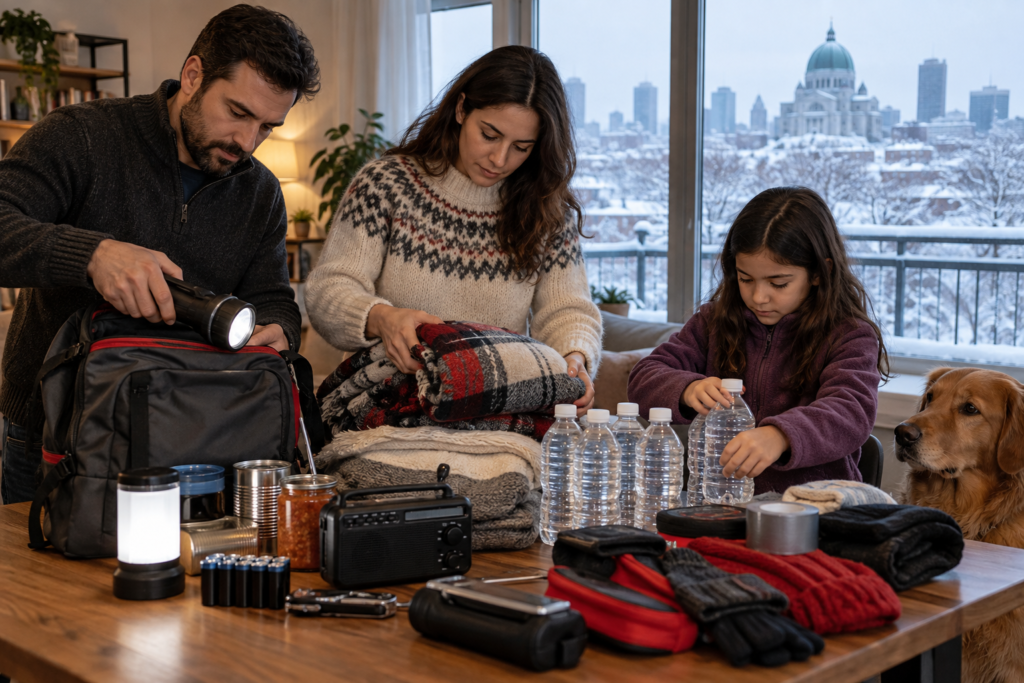
Start with drinking water and non-perishable food that can be eaten without cooking. Add a manual can opener where needed. Keep flashlights, spare batteries or a charged battery pack, a battery-operated or hand-crank radio, first-aid supplies, hygiene items, copies of important contacts and warm blankets together. Rotate food, batteries and medicines according to their labels, and check the kit each autumn.
Think beyond a generic checklist. Babies may need formula, diapers and special food. Pets need food, water and any medication. Someone who relies on electrically powered medical equipment needs a specific backup plan discussed with the relevant provider. Store prescription details and emergency contacts where the household can find them. Keep the kit easy to carry if an evacuation is necessary.
| Need | Examples to prepare | Check before winter |
|---|---|---|
| Light and information | Flashlights, radio, batteries, power bank | Test devices and charge power bank |
| Food and water | Drinking water, shelf-stable food, opener | Check quantities and expiry dates |
| Warmth | Layers, blankets, hats and gloves | Know a safe alternate location |
| Health | First aid, medication, medical contacts | Plan for equipment that needs electricity |
| Family logistics | Contact list, pet items, keys, documents | Agree on a meeting and communication plan |
Plan what to do when the power goes out
Keep a flashlight where you can reach it in the dark. Check the outage information provided by your utility and use official local updates for severe weather. Conserve your phone battery by reducing unnecessary use and keeping a charged power bank available. If you can contact relatives or neighbours, check on people who may need extra assistance while staying within safe conditions.
Québec’s power outage guidance covers preparation, actions during an outage and what to do afterward. Follow its current instructions for food, heating and electrical safety. Avoid treating an improvised heater, barbecue or generator as an indoor heat source. Carbon monoxide is a serious hazard, and combustion equipment must be used only as directed in a safe setting.
Make a safe heating and evacuation decision
Know how your building is heated and which parts of the system stop working without power. A landlord, condo manager or building superintendent may have procedures for a shared system; save their contact details in advance. If the indoor temperature falls and anyone becomes vulnerable, seek an appropriately heated place and follow public guidance. Do not wait until it is hard to travel.
Keep winter boots and outerwear near the exit. Ensure smoke and carbon monoxide alarms are maintained according to their instructions. If you leave, take essential medicines and the portable kit. Tell a trusted contact where you are going. The province’s winter storm safety guidance helps with decisions during ice storms and severe weather.
Prepare the home before a storm warning
Charge phones and power banks, refill essential prescriptions where appropriate, and put the kit where everyone knows it is. Clear safe access around doors and check weatherstripping before temperatures drop. If you own the home, our winter home maintenance checklist covers preventive work that complements an emergency plan.
Write down where to find the main water shutoff and any building-specific instructions. If a frozen pipe, electrical fault or heating failure occurs, use a qualified professional. Avoid attempting hazardous repairs during an outage. Photograph important property conditions for insurance purposes when safe. In an apartment, ask the manager what communications channel will be used during a building-wide interruption.
Plan for travel and accessibility
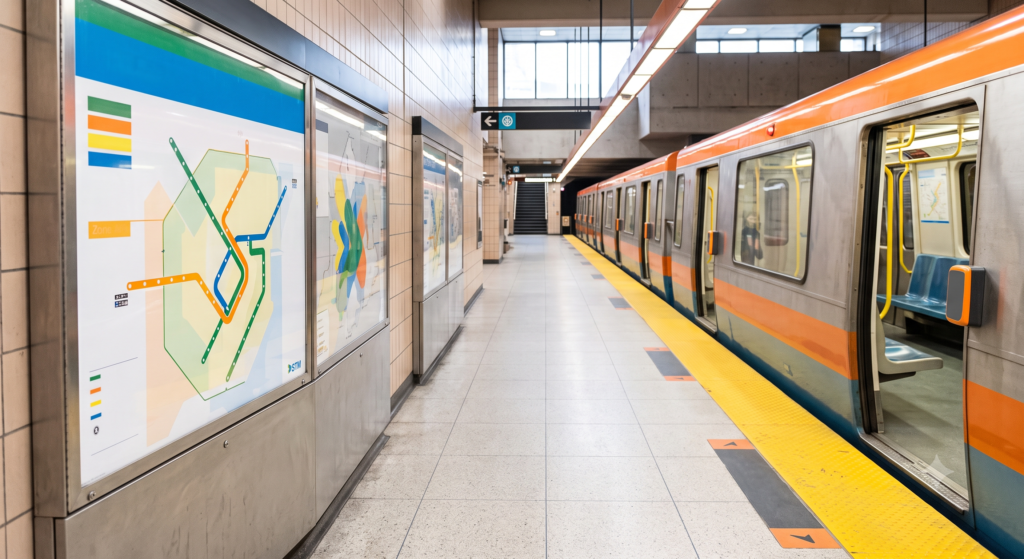
If you must leave by car, keep suitable winter supplies in the vehicle and check road conditions before departure. Québec advises a vehicle emergency kit and current road information. Public transit may also be disrupted, so consider a nearby destination you can reach without a long trip. Ensure people with mobility needs can use the chosen route.
For families, choose an out-of-area contact who can relay messages if local communications are difficult. Write down phone numbers because a discharged device may make stored contacts inaccessible. Agree on a meeting point and practise explaining the plan to children. Review it after a move, a new family member or a change in medical needs.
Frequently asked questions
How often should I check a winter emergency kit?
Review it at least before each winter and after it has been used. Replace expired food or medicines, test lights and batteries, and update contacts.
What should I do first in a Montréal power outage?
Check that everyone is safe, use a flashlight, consult the utility’s outage information and follow official instructions. Keep the phone charged and assess whether your heating and medical needs can be met.
Can I use a barbecue or camping stove inside during an outage?
Do not use outdoor combustion equipment indoors as a substitute for heat or cooking. Follow official safety guidance and manufacturer directions to prevent carbon monoxide exposure and fire.
Do apartment residents need their own kit?
Yes. Shared building systems and landlord procedures do not replace household food, water, light, medication and communication supplies.
A useful kit is familiar and accessible, not just a box bought once and forgotten. Spend an hour assembling it now, then review the official provincial guidance each season.
Review the plan after every outage
When service returns, recharge devices and replace anything used from the kit. Note which supplies were difficult to find and whether the household could reach its chosen contact. If you had to leave, update the route and meeting point. A short review turns the next checklist into a plan that fits your actual building and family.